
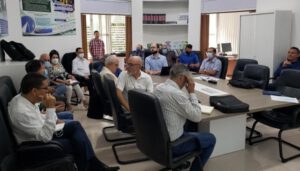
Cuba has the potential to save around 19 TWh of electricity annually by 2040 through improvements in the energy efficiency of their growing domestic air conditioning stock and are taking action to achieve it through the Leapfrogging to Energy-Efficient and Climate Friendly Air Conditioners in Cuba, El Salvador and Honduras project. At workshop in Havana in June 2022, U4E expert, Víctor Mínguez, shared the results of the recently completed market assessment study which underpins the implementation of the project and provides the data on which proposed minimum energy performance standards for air conditioners are based.
 In 2012, around 15% of the residential homes in urban areas of Cuba had air conditioning equipment, which is estimated to have grown by 5-10% in the decade since then and is continuing to grow. This growth will increase electricity consumption, which will, in turn, strain the electrical grid of the country (which is already heavily dependent on fossil fuels), and intensify direct and indirect CO2 emissions. The importation of inefficient room air conditioner appliances and the large local market for second-hand products is also among the biggest hurdles to pursuing more sustainable cooling solutions. It is against this background that the leapfrogging project, implemented by ONURE (National Office for the Control of the Rational Use of Energy), was established.
The project follows an integrated policy approach to transform the market to energy-efficient air conditioning products and includes the development and improvement of regulations, minimum energy efficiency standards, labels, testing capabilities and market awareness activities. It also provides support to increase the capacity of the implementing organizations and develop the strategy and tools for monitoring and surveillance of the market.
The first step in the project was to conduct a market assessment of the air conditioners in Cuba to gain an understanding of the:
In 2012, around 15% of the residential homes in urban areas of Cuba had air conditioning equipment, which is estimated to have grown by 5-10% in the decade since then and is continuing to grow. This growth will increase electricity consumption, which will, in turn, strain the electrical grid of the country (which is already heavily dependent on fossil fuels), and intensify direct and indirect CO2 emissions. The importation of inefficient room air conditioner appliances and the large local market for second-hand products is also among the biggest hurdles to pursuing more sustainable cooling solutions. It is against this background that the leapfrogging project, implemented by ONURE (National Office for the Control of the Rational Use of Energy), was established.
The project follows an integrated policy approach to transform the market to energy-efficient air conditioning products and includes the development and improvement of regulations, minimum energy efficiency standards, labels, testing capabilities and market awareness activities. It also provides support to increase the capacity of the implementing organizations and develop the strategy and tools for monitoring and surveillance of the market.
The first step in the project was to conduct a market assessment of the air conditioners in Cuba to gain an understanding of the:
- Socioeconomic situation in Cuba that may affect the air conditioner market, along with the characteristics of the climate.
- Country’s electricity sector, and the relevance of air conditioning equipment in an energy efficiency plan.
- Air conditioner market, in terms of annual sales (collected for 2020) and installed base.
- Policies or activities related to energy efficiency.